OriGene’s portfolio of over 700 Nanodisc proteins, covering a wide range of challenging targets such as GPCRs, ion channels, and transporters, offers a powerful solution for advancing membrane protein research and drug discovery.
OriGene provides an innovative solution for transmembrane protein research using a Synthetic Nanodisc platform that preserves native structure, improves stability, and enables functional studies of difficult membrane proteins.
They offer more than 700 full-length multipass transmembrane targets in synthetic nanodisc format, covering a wide range of challenging targets such as GPCRs, ion channels, and transporters, offers a powerful solution for advancing membrane protein research and drug discovery.
Synthetic Nanodiscs are nanoscale, disc-shaped membranous particles that encapsulate full-length transmembrane proteins directly from cell membranes using specialized polymers. Unlike traditional membrane scaffold protein (MSP) nanodiscs, synthetic Nanodiscs are formed without the use external scaffold proteins and are detergent-free membrane protein, which helps preserve the native conformation and biological activity of target proteins.
This unique approach enables researchers to work with biologically active membrane proteins in aqueous environments, overcoming many hurdles that have historically hindered transmembrane protein studies.
Key Benefit
Applications
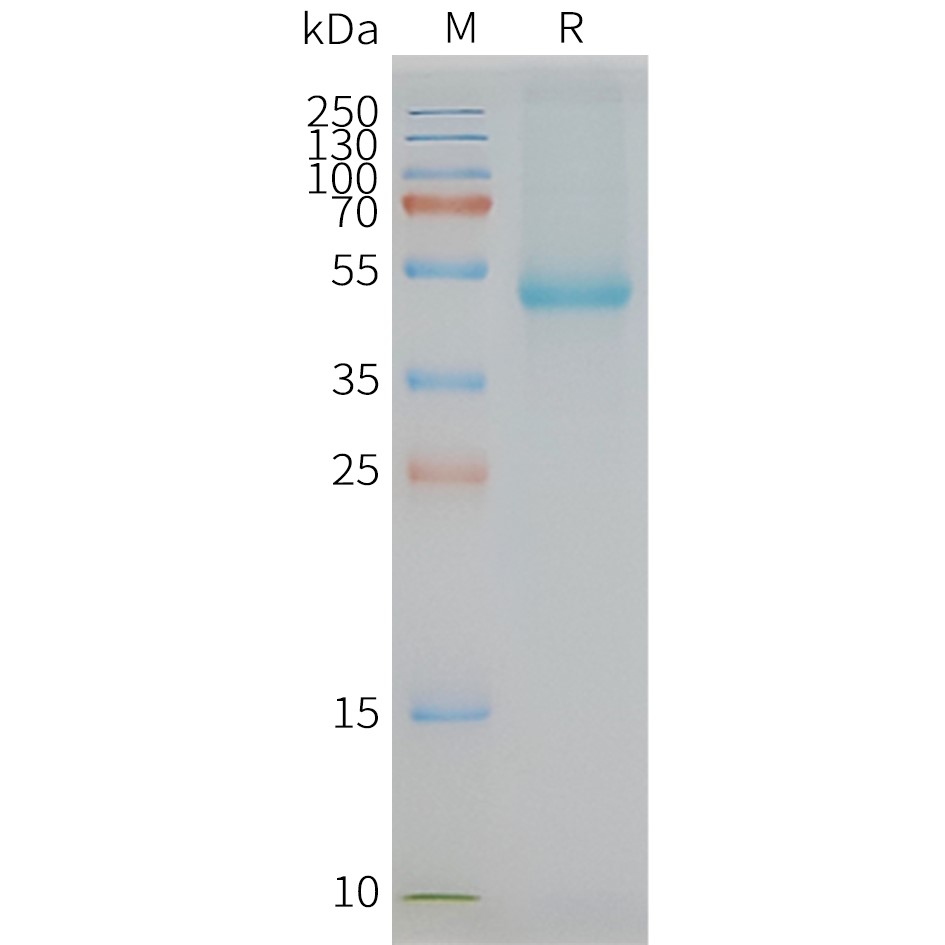
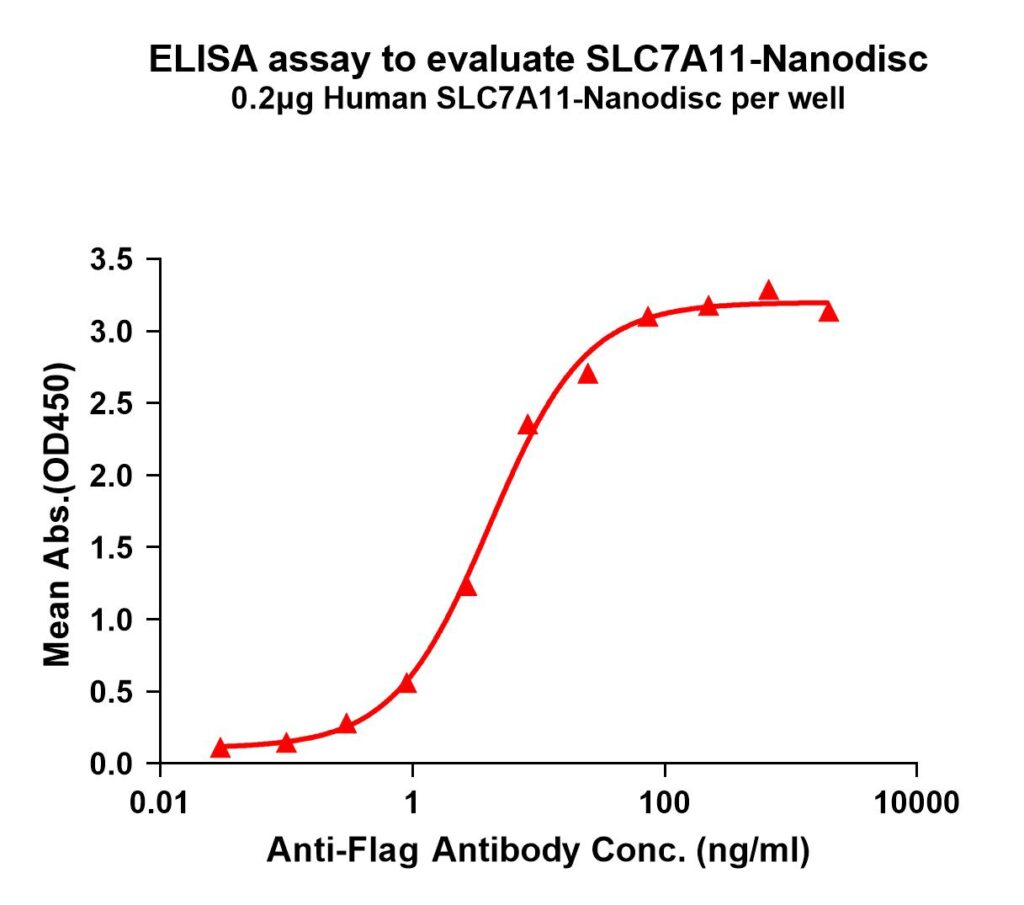
Human SLC7A11 (12-Pass Transmembrane Protein) Catalog #:TP721420
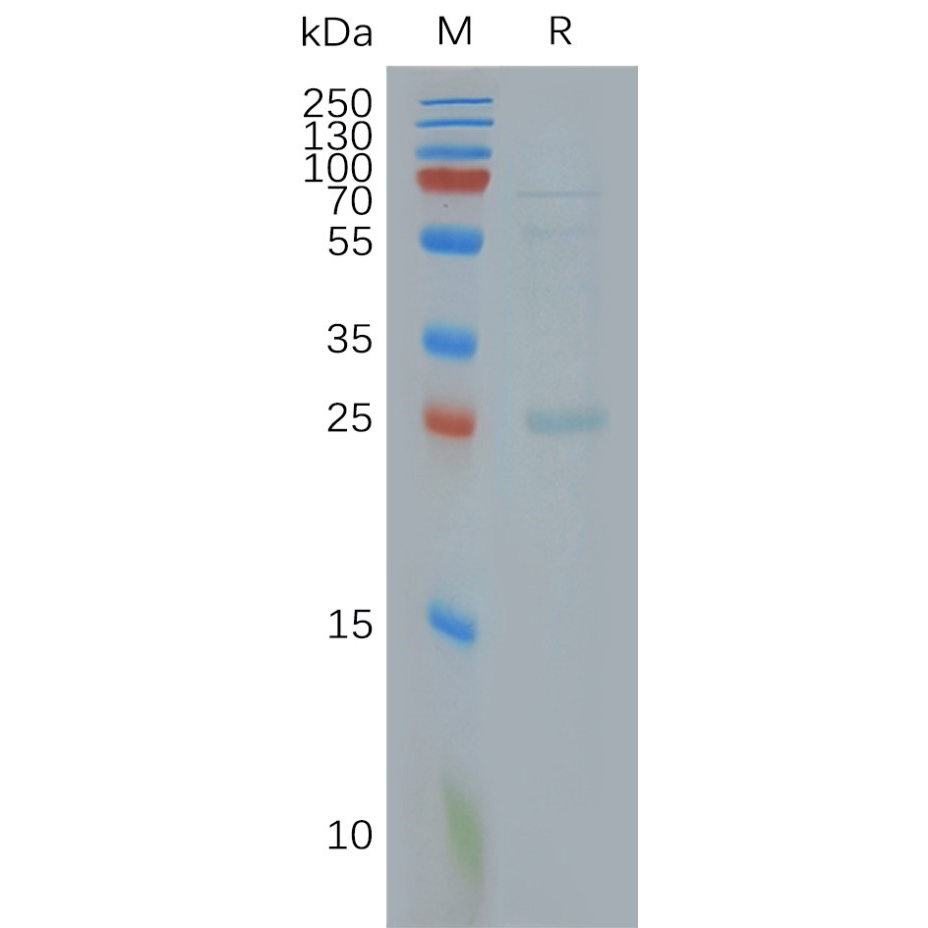
Human CLDN18.2 (4-pass Transmembrane Protein) Catalog #:TP721388
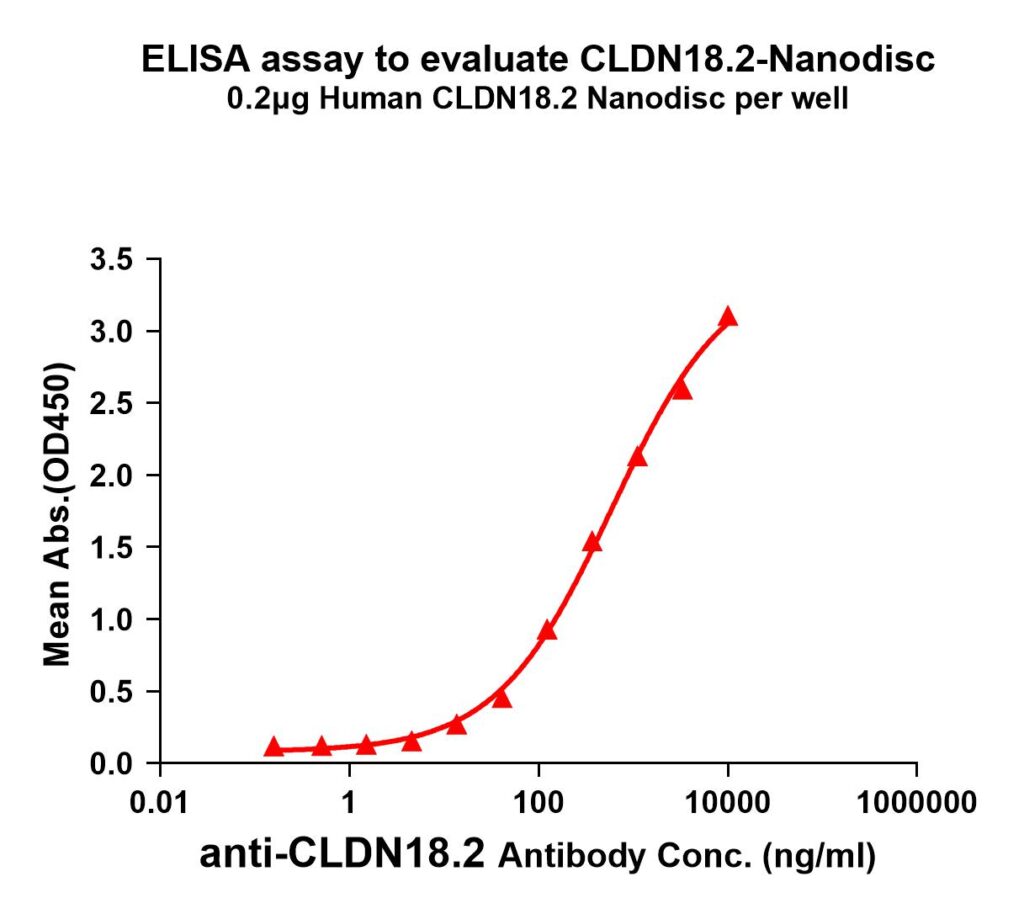
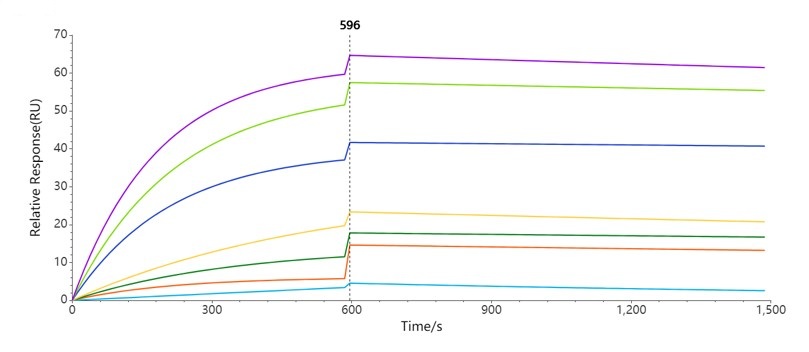
Human MDR-1 (12-Pass Transmembrane Protein) Catalog #: TP721401
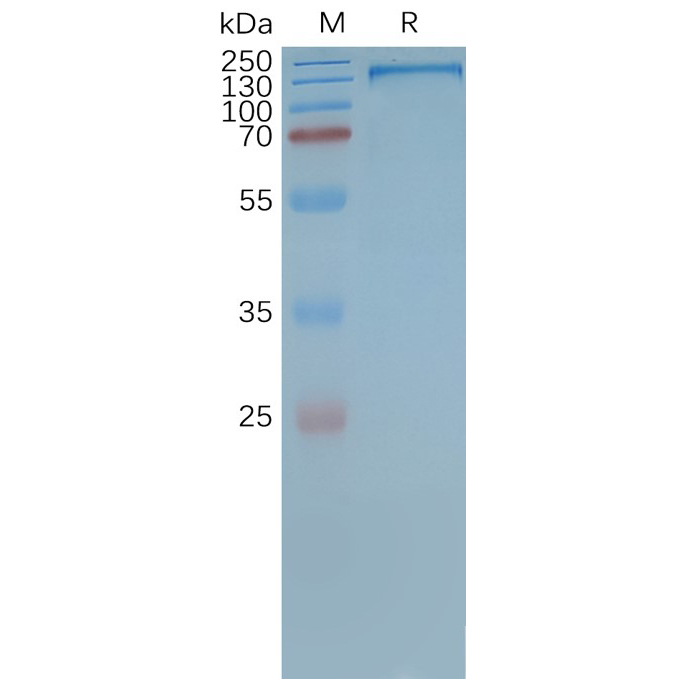
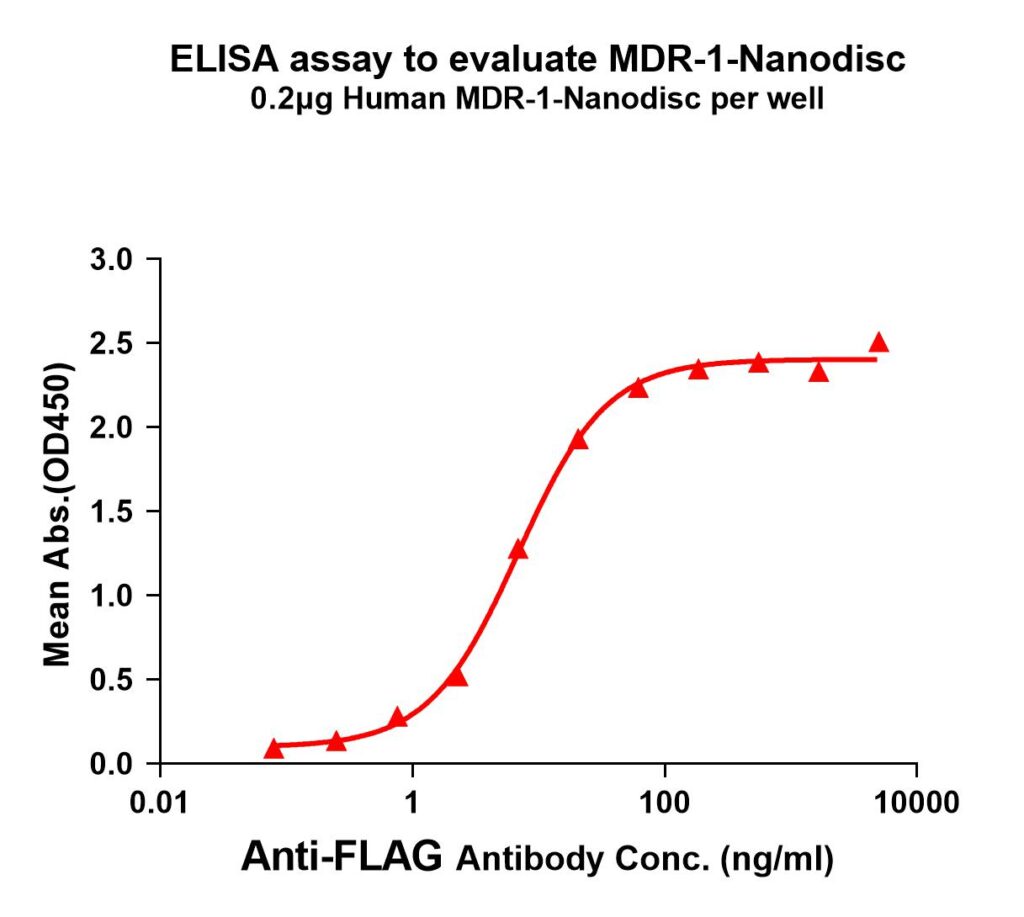
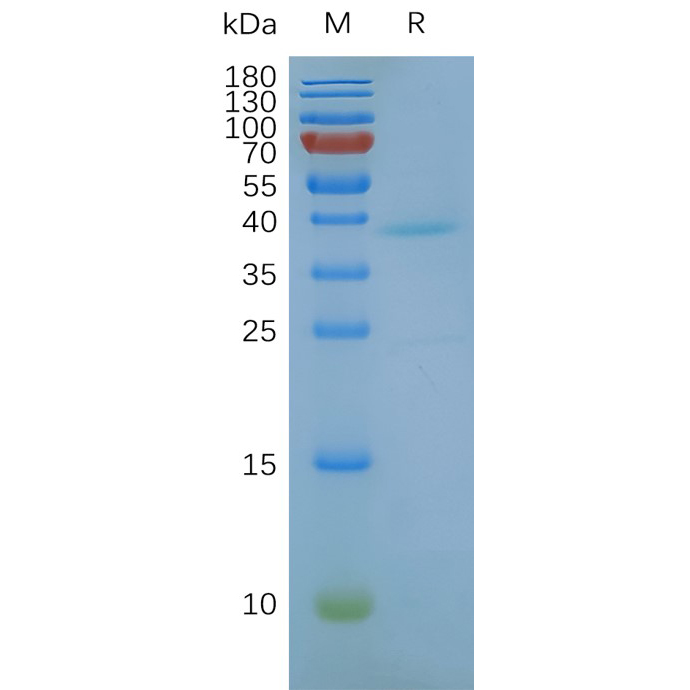
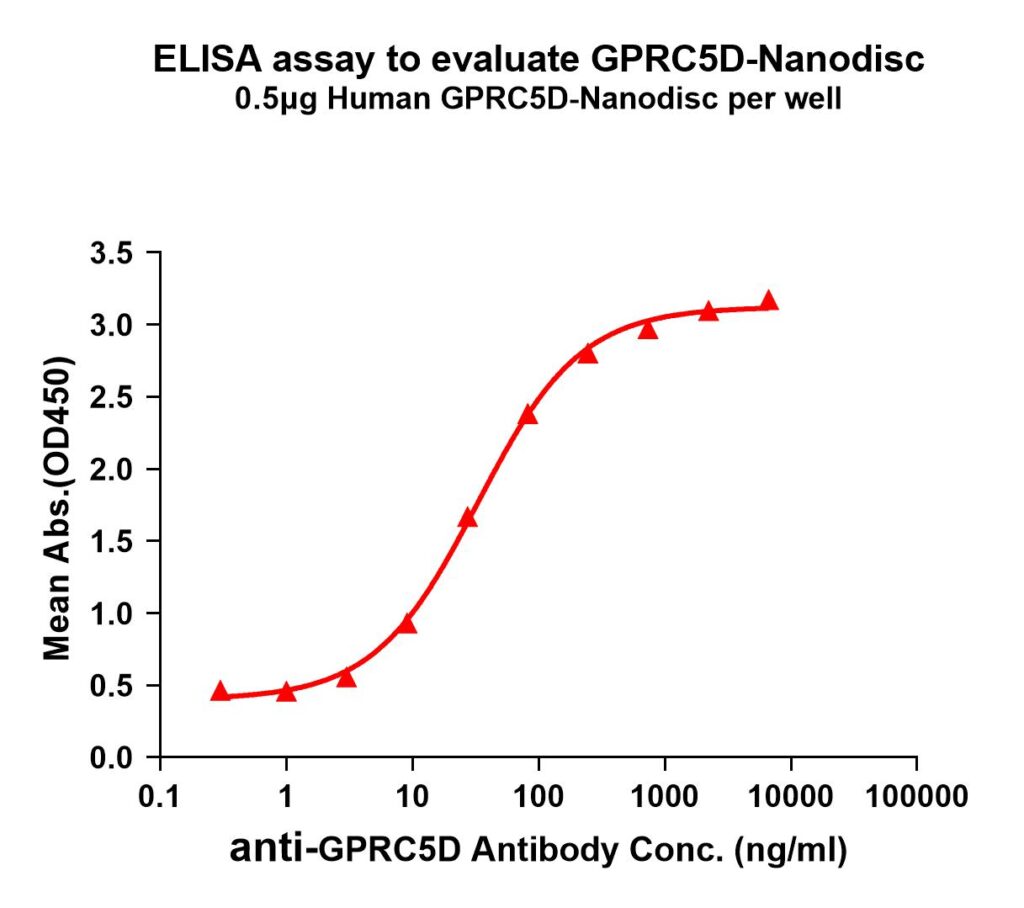
Human GPRC5D (7-Pass Transmembrane Protein) Catalog #: TP721385
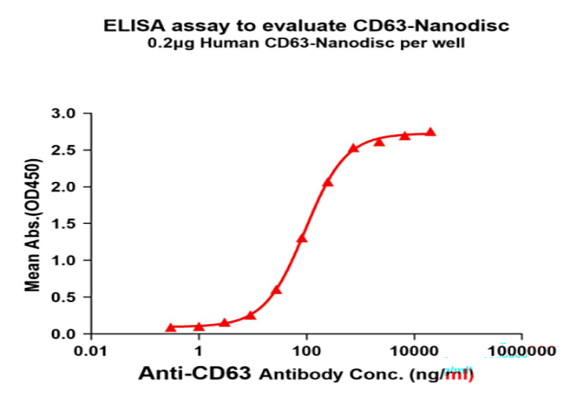
Human CD63 (4-Pass Transmembrane Protein) Catalog #: TP721402


For more information about OriGene’s solutions to Transmembrane Proteins, please contact one of our account managers.



Genomics & Proteomics | Gene Delivery | cDNA Clones | Empty Vectors | Viral Gene Delivery | LV & AAV Vectors | RNAi | cloning | CRISPR | antibodies | IHC | ELISA | Proteins | Tissues
We gladly support you by keeping you updated on our latest products and developments