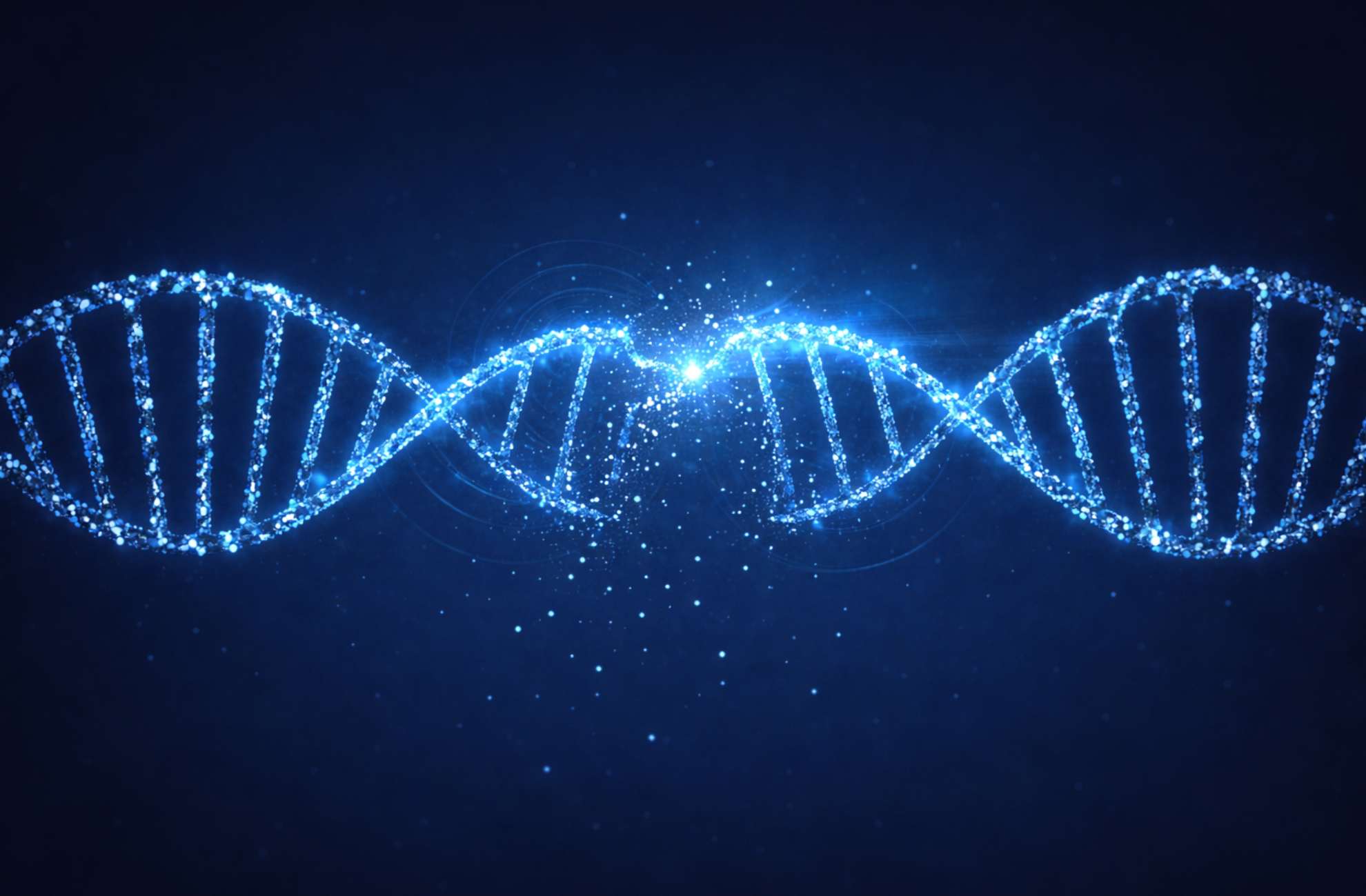
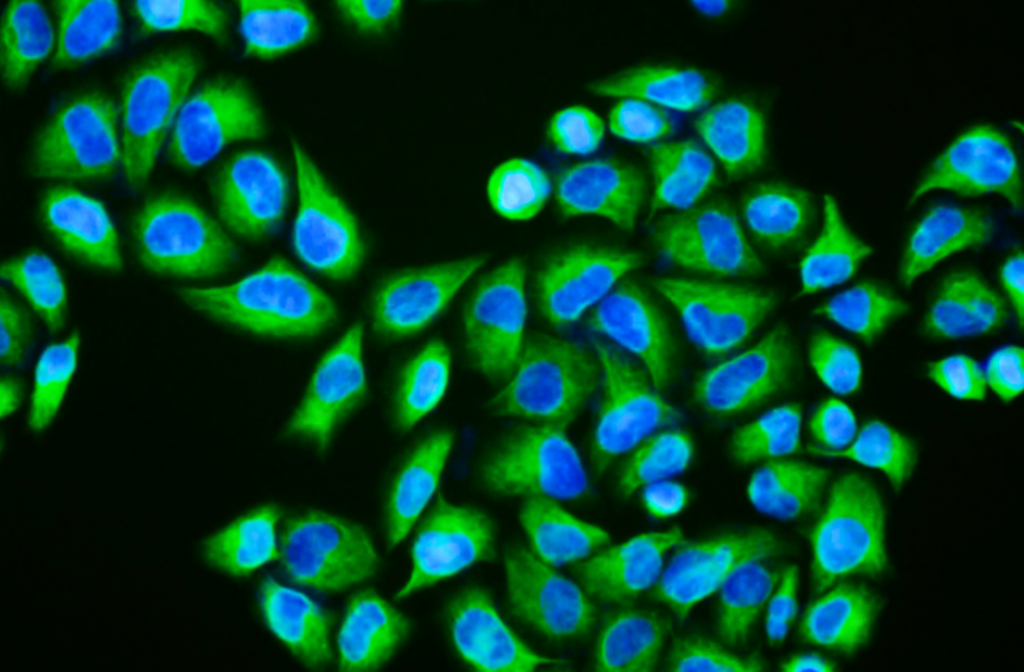
DNA damage threatens genome integrity, aging, and cancer biology. Learn why this field matters and how Bioss supports DNA damage research with antibodies to key DDR biomarkers.
Imagine the blueprint for a complex building. It contains every instruction needed to construct it, maintain it, and adapt it over time. In biology, DNA is that blueprint. It is the master plan carried within every cell, dictating how a cell should grow, function, and divide.
But what happens when that blueprint gets torn, stained, or smudged? This is the reality at the microscopic level, and it is a constant threat to our health. Understanding how cells protect and repair their genetic blueprint is one of the most critical areas of modern life science research, supported by high-quality antibodies from suppliers such as Bioss.
This promotion is valid until June 30, 2026. Use the code PUB25. Please refer to the Terms & Conditions.
The Constant Threat to Our Genetic Code
Our cellular blueprint is under relentless attack. Every day, cells face a barrage of internal and external stresses that can cause DNA damage. These threats include:
Internal stressors: Reactive oxygen species (ROS) produced during normal metabolism
Replication stress: Errors that occur when DNA is copied during cell division
Environmental factors: Ultraviolet (UV) light from the sun, ionizing radiation, and chemical mutagens
Medical treatments: Certain chemotherapies and other therapeutic drugs
These insults can compromise genome integrity and disrupt normal cellular function. To fight back, cells have evolved a sophisticated surveillance and repair network known as the DNA damage response (DDR). Together, DNA damage and the DDR are central to some of the biggest questions in biology and medicine, from cancer and aging to neuroscience and drug development.
Decoding the Damage: What Are DNA Damage and the DNA Damage Response?
DNA damage refers to any physical abnormality in DNA structure, such as single-strand breaks, double-strand breaks, base modifications, or crosslinks. When damage occurs, the cell’s emergency response system, the DDR, is activated. This protective signaling network:
Detects the lesion
Transmits damage signals
Pauses the cell cycle to prevent damaged DNA from being copied
Coordinates the appropriate repair machinery, whether through base excision repair (BER), nucleotide excision repair (NER), or the repair of double-strand breaks via non-homologous end joining (NHEJ) or homologous recombination (HR)
If the damage is too severe to repair, the DDR can also trigger programmed cell death (apoptosis) or permanent cell cycle arrest (senescence) to prevent defective genetic information from being passed on. This system is essential for maintaining genomic stability, and its failure is a hallmark of diseases such as cancer.
Why DNA Damage Research Is a Pillar of Modern Biomedicine
DNA damage is not a niche topic. It is a fundamental biological process that intersects with some of the most pressing challenges in human health.
Cancer: From Cause to Cure Defects in DNA repair are a major driver of cancer. When the DDR fails, genomic instability increases, mutations accumulate, and cancer cells gain a survival advantage. At the same time, this weakness can be therapeutically exploited. Many cancers become highly dependent on the few repair pathways they still retain. This vulnerability has led to breakthroughs such as PARP inhibitors, which have shown remarkable success in treating BRCA1/2-deficient tumors. As a result, the DDR is now a central focus in precision oncology, where a tumor’s repair status can help guide treatment strategies and predict patient response.
The Root of Aging DNA damage accumulates over time. Chronic activation of the DDR can exhaust stem cell reserves and drive cells into senescence, contributing to tissue degeneration and many of the biological hallmarks of aging.
Protecting the Aging Brain Neurons are long-lived, highly active, and non-dividing, making them especially vulnerable to DNA damage. Accumulated lesions are strongly linked to brain aging, neurodegeneration, and cognitive decline, opening new avenues for understanding disorders such as Alzheimer’s disease.
Reproductive Health and Development Genome integrity is critical for the next generation. DNA damage in germ cells, including sperm and eggs, can impair fertility and contribute to developmental abnormalities in offspring.
Driving the Next Generation of Drugs The DDR pathway is a major focus of drug discovery. Biomarkers of DNA damage and repair are valuable not only in basic research, but also in clinical applications such as patient stratification, treatment-response prediction, and monitoring the effectiveness of new therapies.
Key Biomarkers in DNA Damage Research
To study these complex processes, researchers rely on a set of well-established biomarkers. These molecular signposts help detect lesions, monitor repair, and evaluate cell fate.
Detecting damage: γH2AX and 53BP1 are gold-standard markers for identifying double-strand breaks
Monitoring repair: RAD51 is commonly used to track homologous recombination, while RPA and phospho-RPA are key indicators of replication stress
Signaling pathways: Upstream activation is assessed using ATM and ATR, while downstream checkpoint signaling is measured through CHK1 and CHK2
Cell fate decisions: In studies of senescence, apoptosis, or cell cycle arrest, p53, phospho-p53, and p21 are critical markers
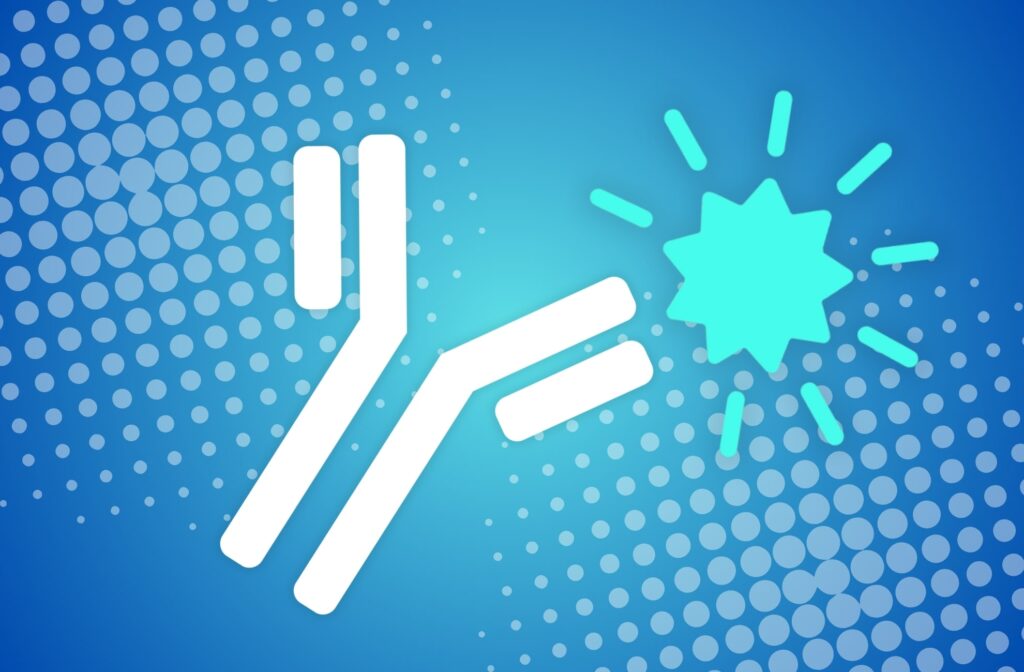
Research into DNA damage and the DDR depends heavily on reliable detection methods. Techniques such as immunofluorescence (IF), immunohistochemistry (IHC), and Western blotting (WB) are fundamental to this work. Their success depends on one critical factor: high-quality, specific antibodies, whether researchers are analyzing nuclear foci, pathway activation, or replication stress.
This promotion is valid until June 30, 2026. Use the code RCAB50. Please refer to the Terms & Conditions.
Conclusion: Unlocking the Secrets of Genome Integrity
DNA damage and the cellular response to it are central to our understanding of health and disease. They influence everything from development and aging to cancer treatment and neuroprotection. As researchers continue to uncover how DNA damage shapes disease biology, the demand for reliable biomarkers and high-quality research tools will only grow.
As interest in DNA damage and DNA damage response biology continues to grow, access to reliable tools remains important. Bioss offers antibodies against key biomarkers such as γH2AX, 53BP1, RAD51, and p53 to support this work.
Pfeifer, G.P., & Jin, S.G. (2024). Methods and applications of genome-wide profiling of DNA damage and rare mutations. Nature Reviews Genetics, 25(12), 846-863.
Toiber, D., et al. (2025). Targeting Genome Stability to Mitigate Human Aging and Disease. Annual Review of Pathology.
Kang, H., et al. (2025). Advances in DNA damage detection: Current progress, challenges, and future directions. TrAC Trends in Analytical Chemistry, 189, 118246.
Chen, J., et al. (2024). Exploring DNA Damage and Repair Mechanisms: A Review with Computational Insights. BioTech, 13(1), 3.
Husain, L. (2025). Molecular mechanisms of ageing in cancer development and therapeutic response. Clinical and Translational Discovery, 5(3), e70065.
Gallo, D., & Brown, G.W. (2025). Just bypass it: mechanisms of DNA damage tolerance. Trends in Biochemical Sciences.
Ajit, K., & Gullerova, M. (2024). From silence to symphony: transcriptional repression and recovery in response to DNA damage. Transcription, 15(4), 161-175.
Metabolic Rewiring in the Face of Genomic Assault: Integrating DNA Damage Response and Cellular Metabolism. (2025). Biomolecules, 15(2), 168.